VergesRome Architects | New Orleans Architectural Firm

Archives

The Exchange Pickleball & Bar

One of the first pickleball venues to be built in New Orleans, The Exchange blends history with community vibrancy.

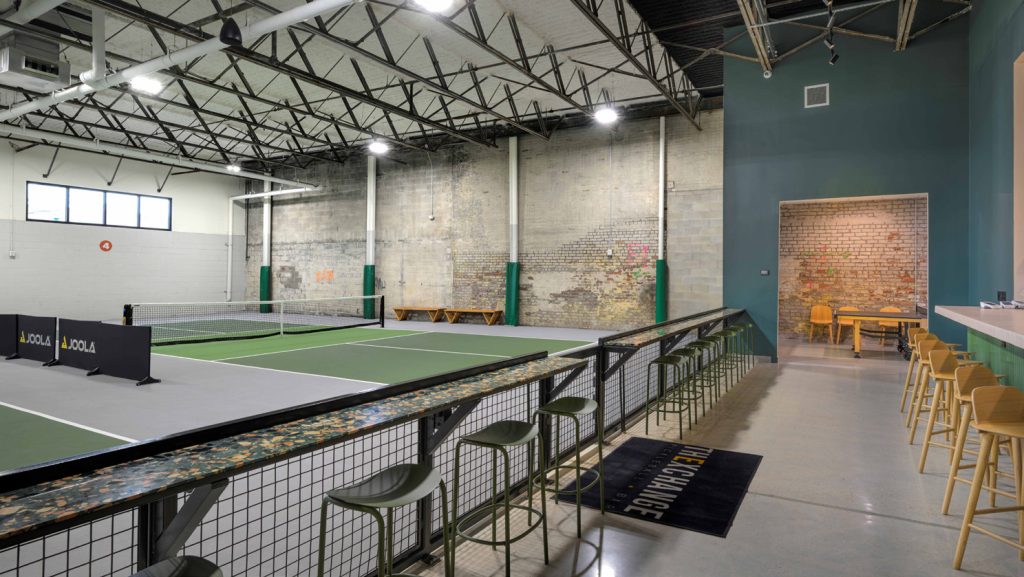
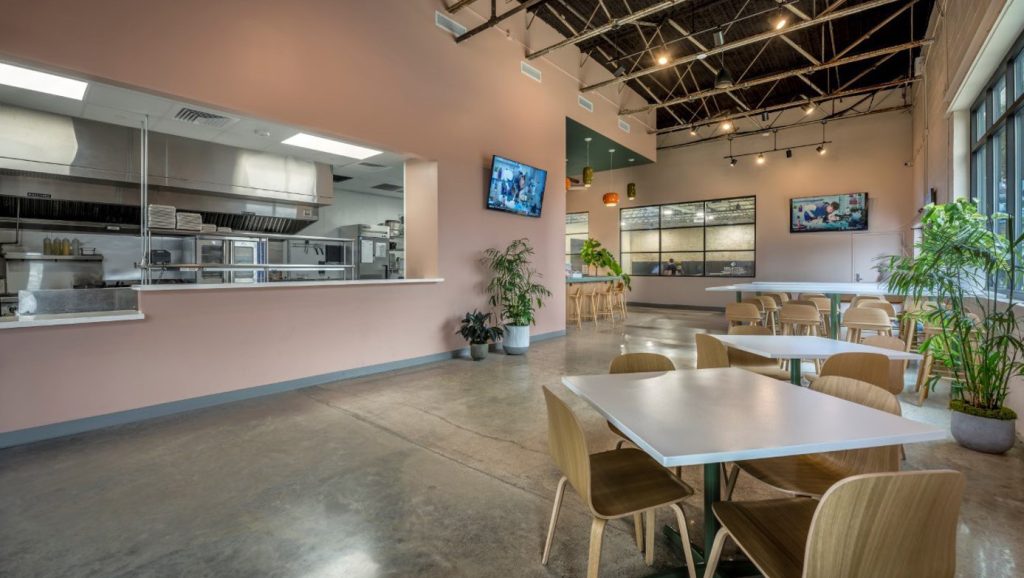
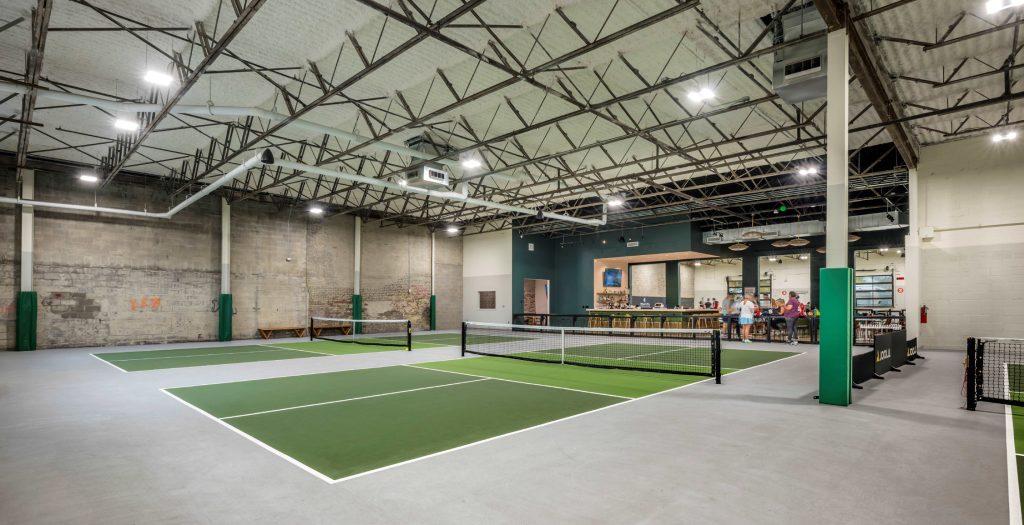
VergesRome Architects re-imagined the 24,000 SF industrial warehouse into a multi-functional,  state-of-the-art, recreational facility that now houses 6 indoor courts, 1 outdoor court, 2 bars with lounge and dining areas, a full-service kitchen, and an expansive outdoor patio lounge.

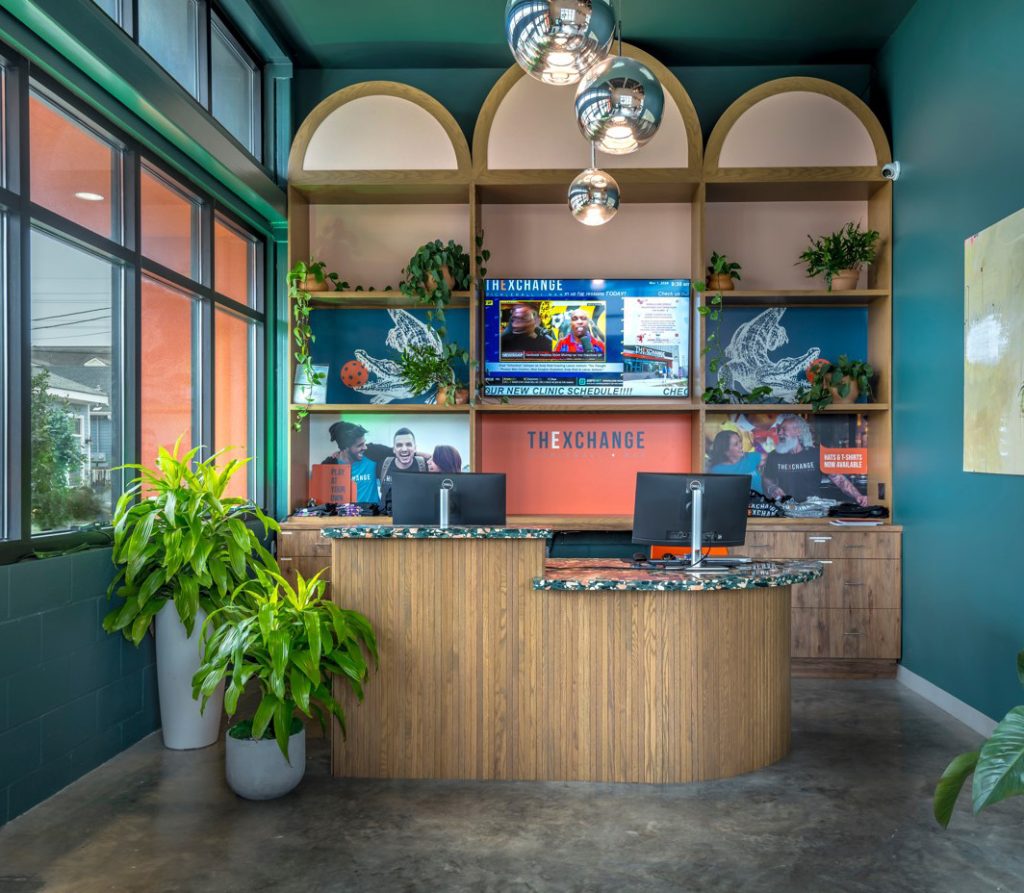
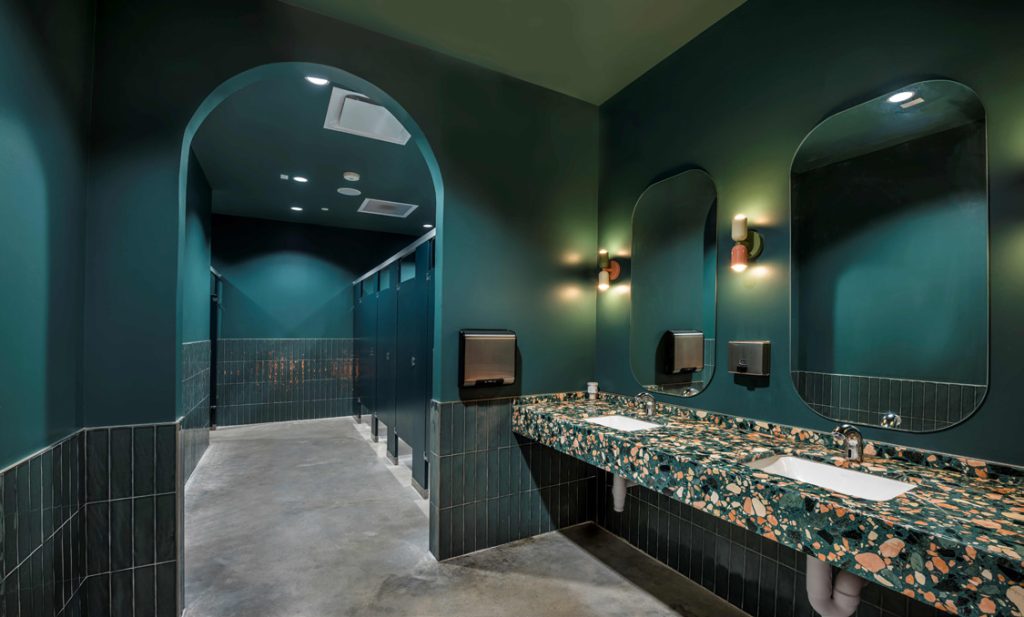
The building’s interior design is inspired by design trends from the 1960’s, when Pickleball was invented. Teal, salmon, and green hues add captivating focal points, while curvilinear millwork and vintage wood finishes further evoke the era’s style, paying homage to its timeless charm.
In contrast, the courts are simplified to light, bright walls, and vibrant court striping to assist in the visibility of the Pickleball itself.



AOS Interior Environments

New Orleans, Louisiana

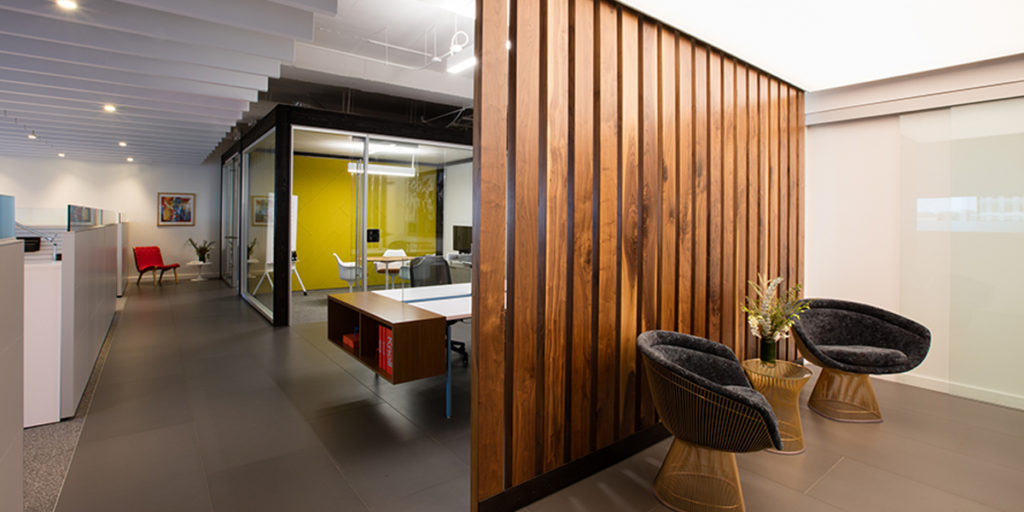
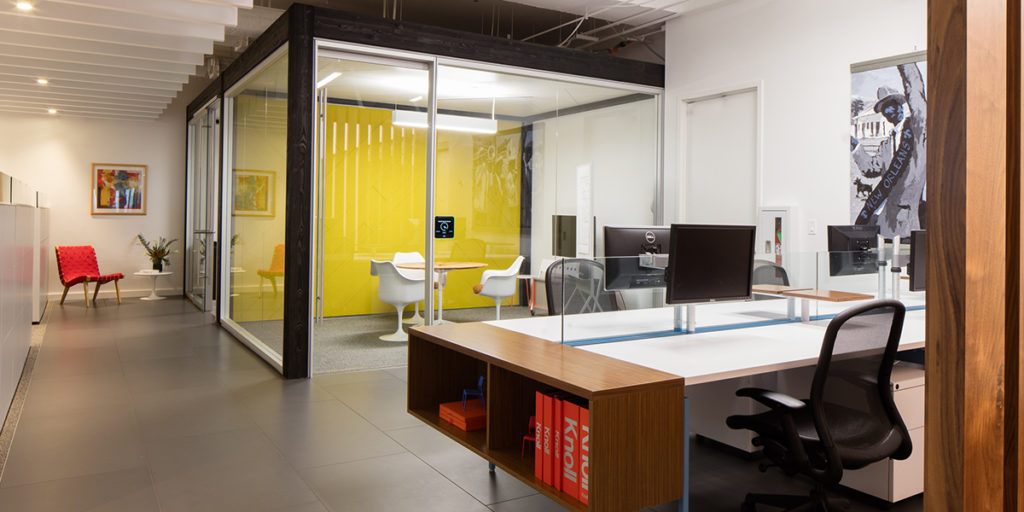
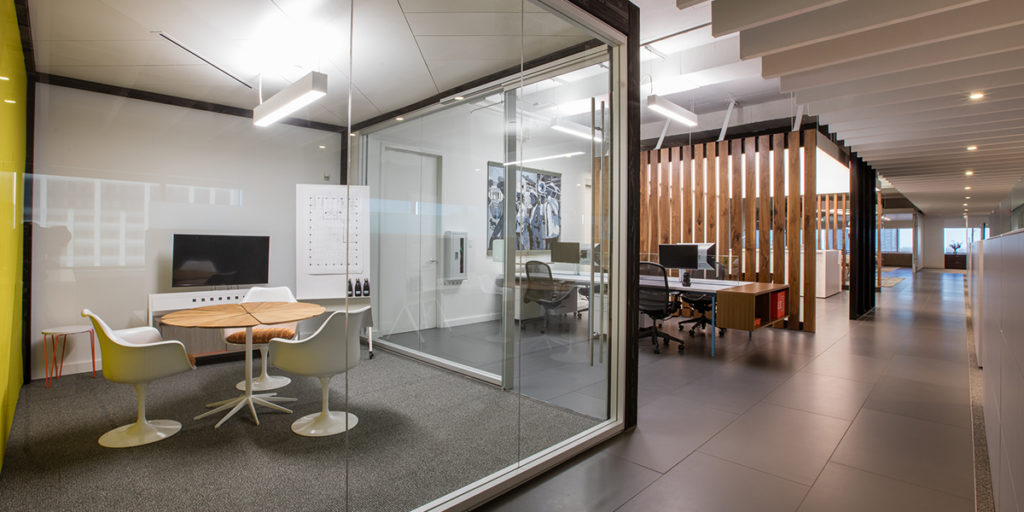
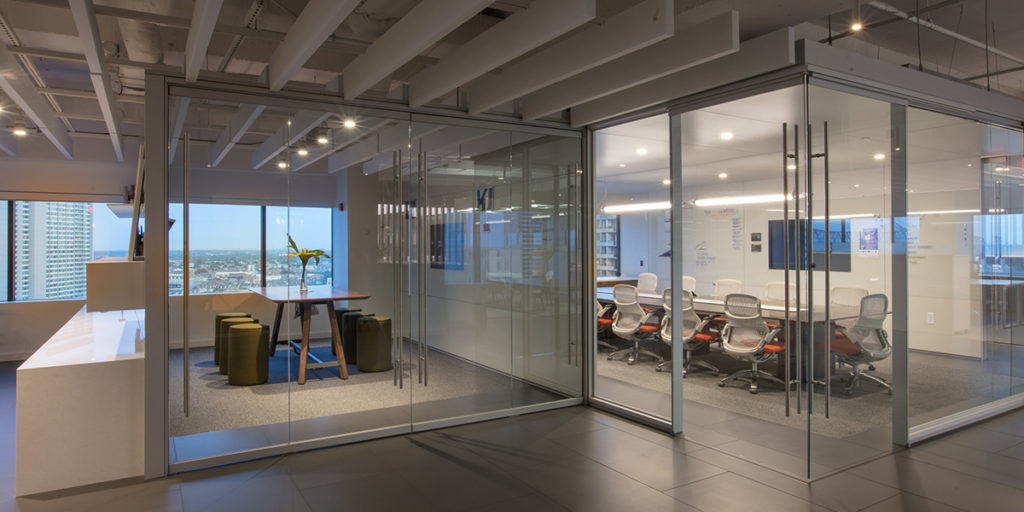
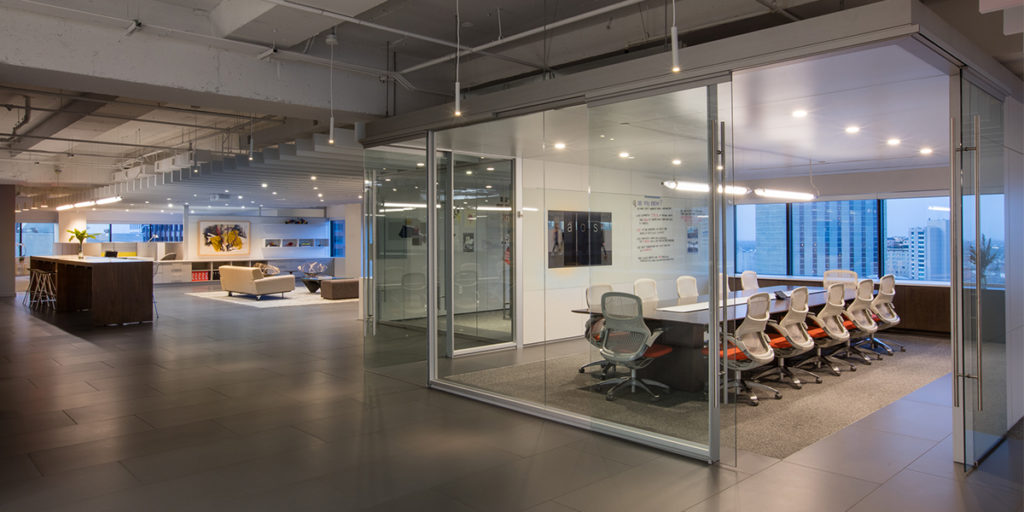
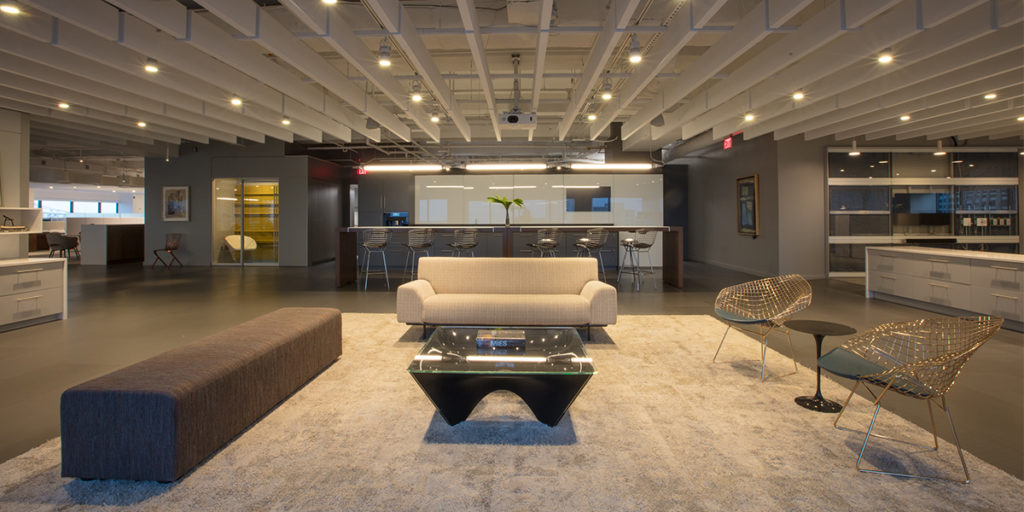
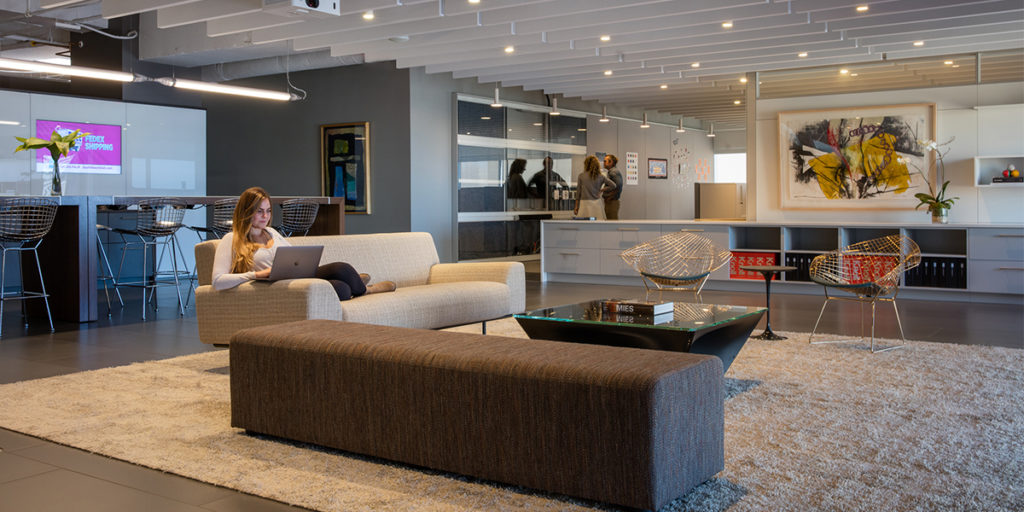
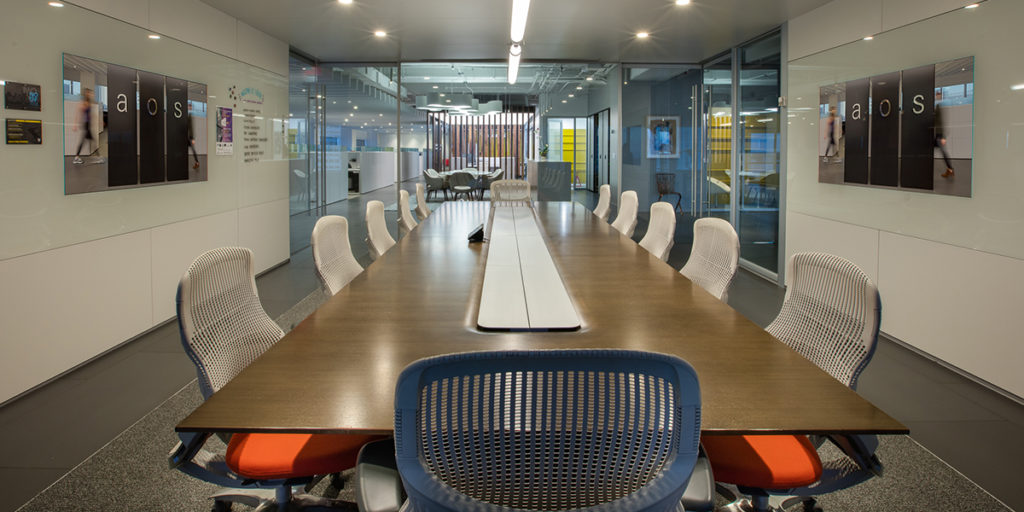
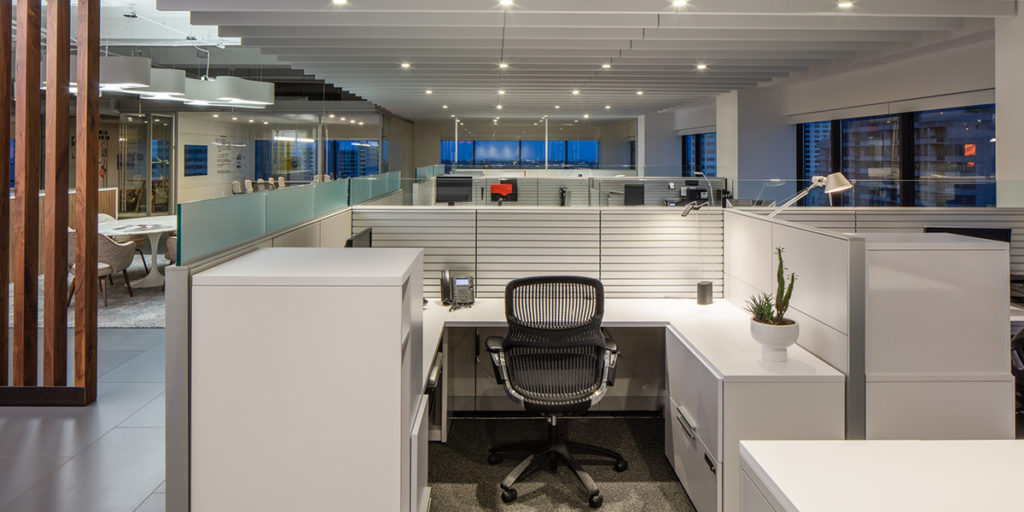
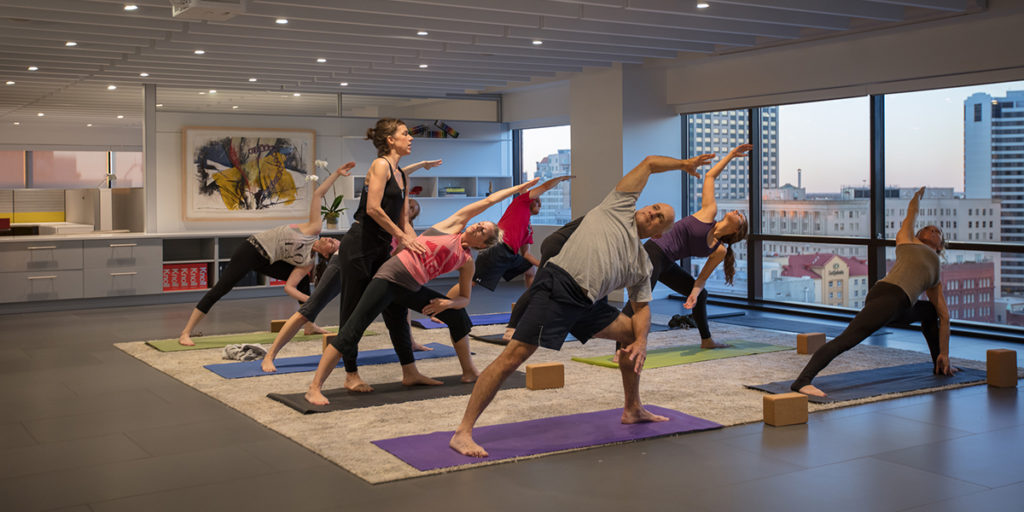
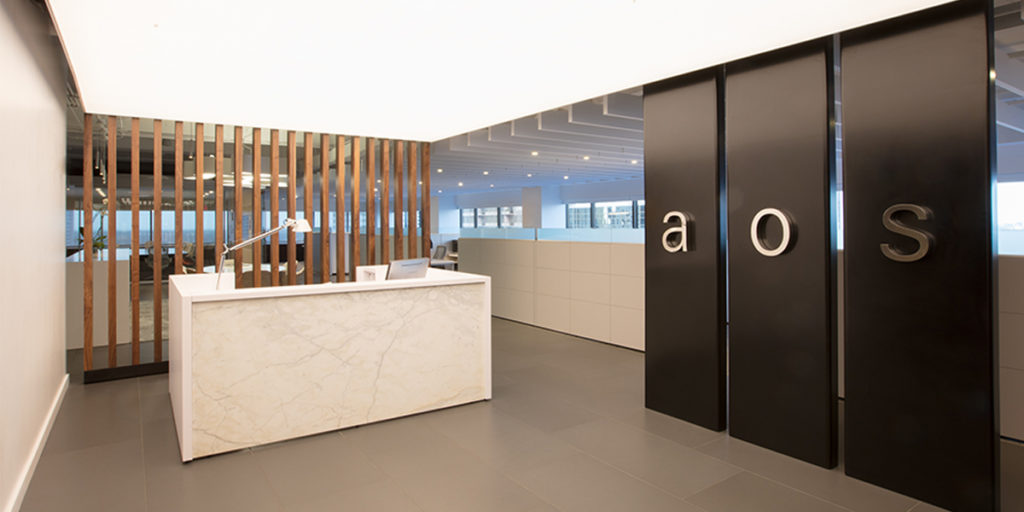
VergesRome Architects was retained by AOS to design their new flagship office in downtown New Orleans in 2001. The design intent was to accommodate future growth for the company, while balancing workplace and showroom. The new office spaces showcased the interior systems furnishings and planning services AOS provides, inspiring both designers and clients. 

In 2017, AOS had the opportunity to expand their offices. VergesRome Architects and Eskew Dumez Ripple collaborated to update the AOS offices to correspond to current design trends and showcase the potential of DIRTT wall systems. The 8,453 sf space again artfully balances workspace and showroom, and capitalizes on stunning downtown New Orleans views. 

2018 AIA Honor Citation for the Gulf Coast Region 

2018 IIDA Delta Regional Chapter Award of Excellence 

2018 USGBC Louisiana Chapter Award 


Offices at Mid-City Market

New Orleans, Louisiana

Mid-City Market shopping center in New Orleans is situated along the Lafitte Greenway pedestrian and bicycle corridor in Mid-City, extending to the corner of Bienville Street and North Carrollton Avenue. The complex features a 53,000 SF Winn-Dixie grocery store at the rear of a parcel of property that was an area of blight for several years. An additional 55,000 SF of retail space is distributed among multiple buildings.


The Lafitte Greenway runs alongside the Winn-Dixie, and other retail establishments in the complex face this Greenway. The designs for the center capitalize on its proximity to the Greenway by incorporating features such as shade, trellises, outdoor dining areas, and a plaza with benches. Another section of the center extends to Bienville Street, offering various retail establishments, attractions, and amenities for shoppers, pedestrians, and cyclists. The planning of vehicular traffic flow, particularly for commercial vehicles, was done with care to ensure safe circulation for pedestrians. The site planning and conceptual design process involved full participation and input from neighborhood groups like the Mid-City Neighborhood Organization and the Friends of the Lafitte Corridor. Residents, future greenway users, and local merchants recognize the appeal of this centrally located shopping area for people living, working, or attending school in the vicinity. The tenant mix includes specialty retail shops, businesses, banking, a fitness studio, and locally-based restaurants. Additionally, the old Loubat Building on Bienville Street was also designed by VRA as a mixed-use development and offices.


Hancock Whitney Bank, Lakeside Branch

Lakeside Shopping Center

Metairie, Louisiana

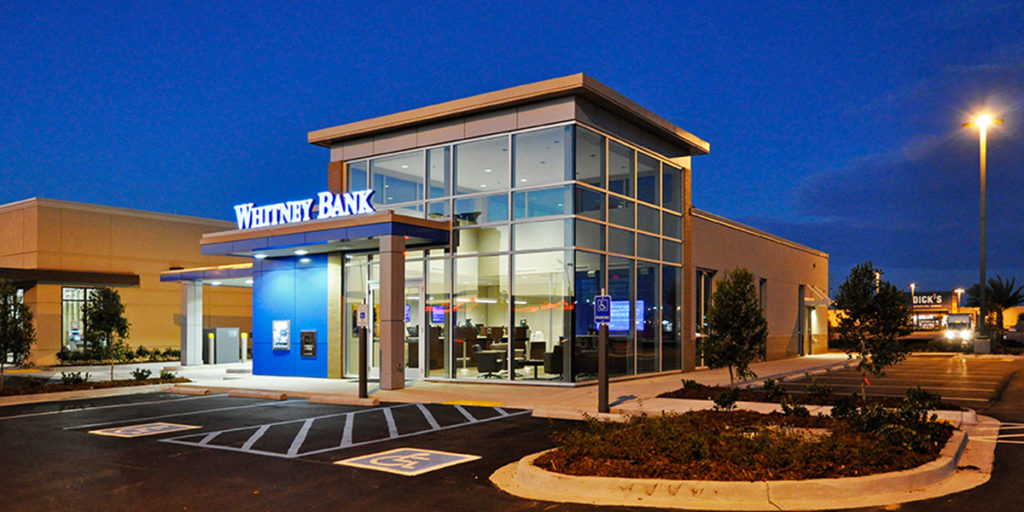
VergesRome Architects developed the new branch prototype design for Hancock Whitney Bank. The building design is flexible in size to allow the building to be modified depending on the program for the site. The first branch that was built is in Metairie, Louisiana on Causeway Boulevard. 

The building contains 2,829 square feet and includes 5 private offices, 4 tellers, and a conference room. There are also 3 drive up lanes, a drive-up ATM and a walk-up ATM. There is a provision to add a second drive up ATM. 

The interior walls of the branch are built with DIRTT walls to allow for easy modification in the future, with little disruption to the operation of the bank. 


Pan American Life Center IberiaBank Atrium

New Orleans, Louisiana

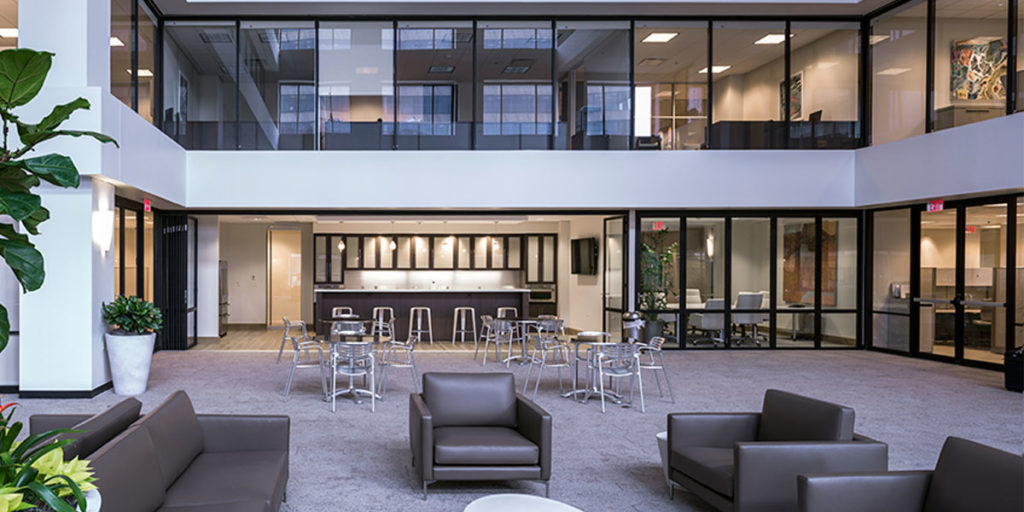
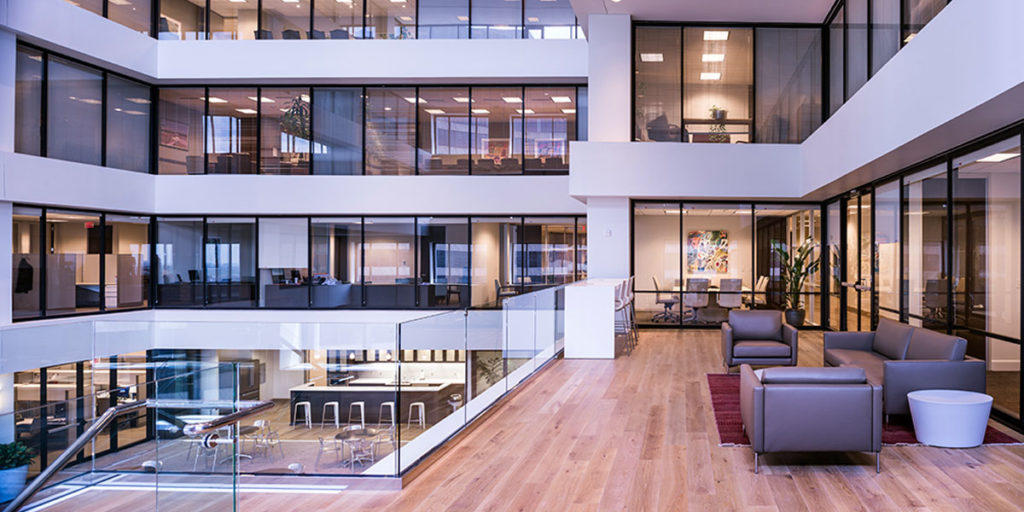
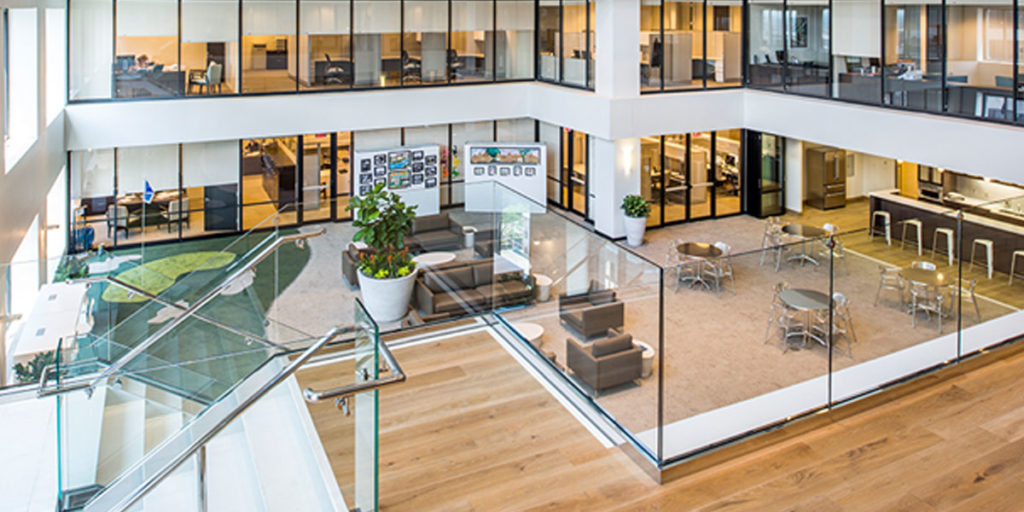
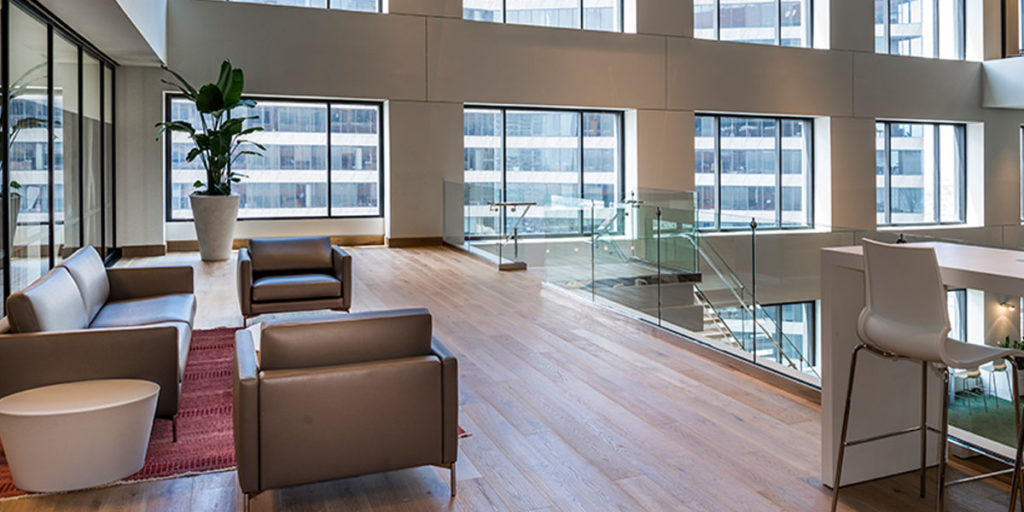
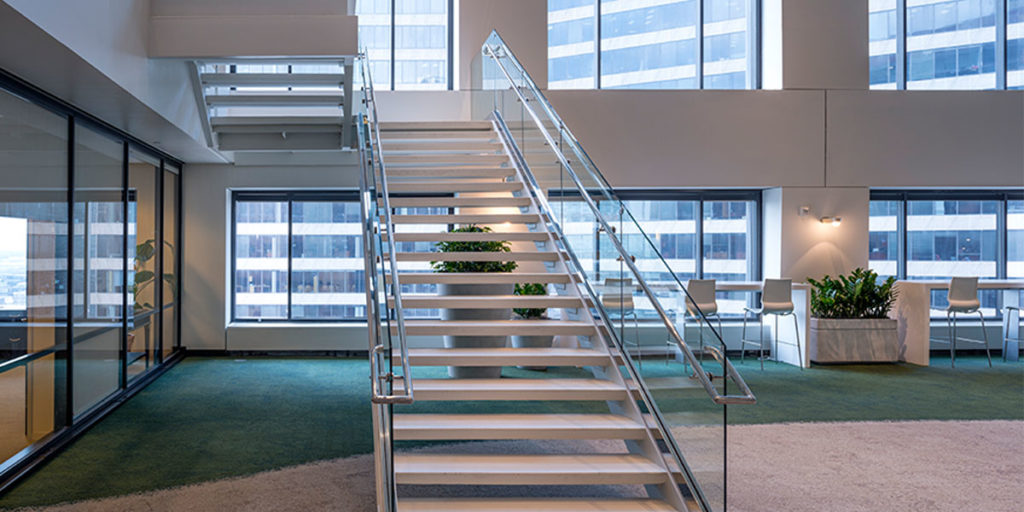
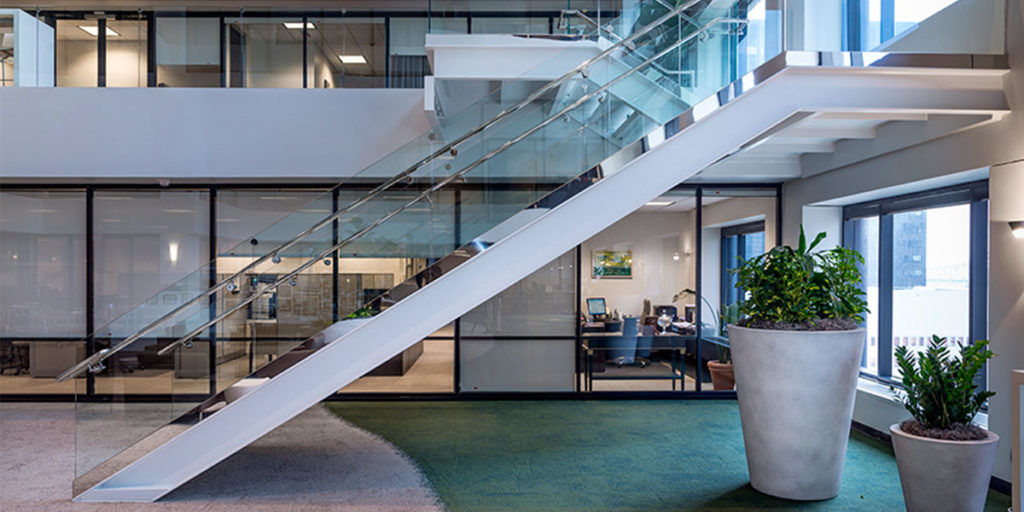
VergesRome, facility architect for the 28-story Pan American Life Center in the New Orleans CBD, was commissioned to redesign the seven-story atrium situated on Floors 21 through 27. 

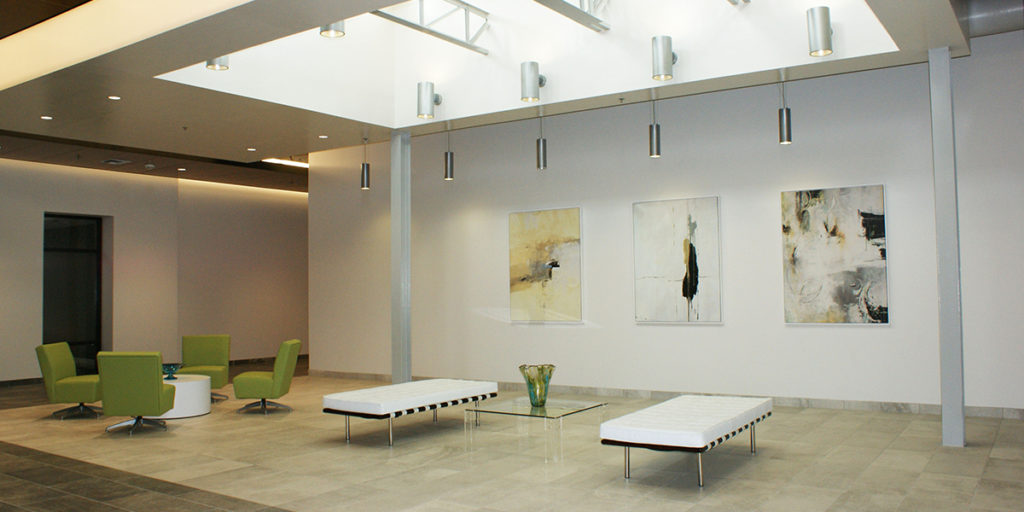
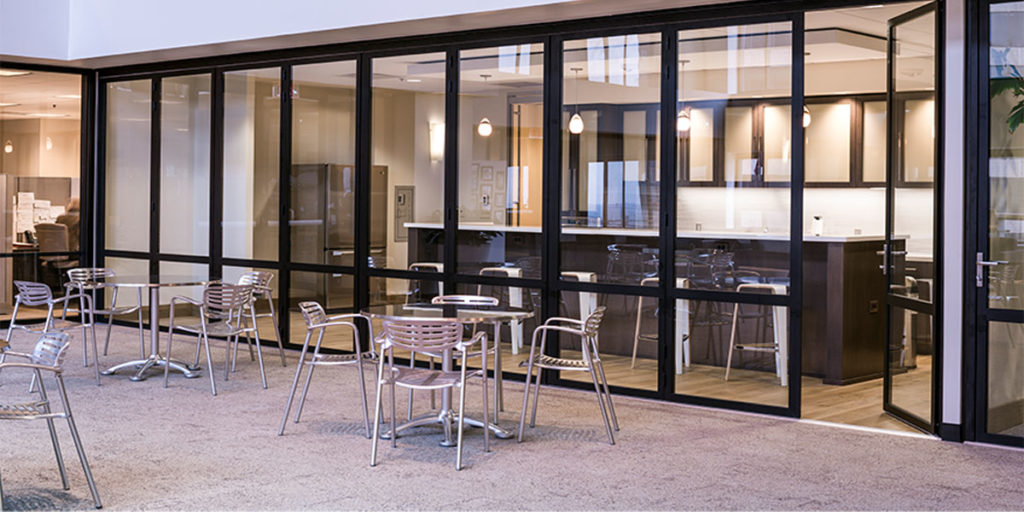
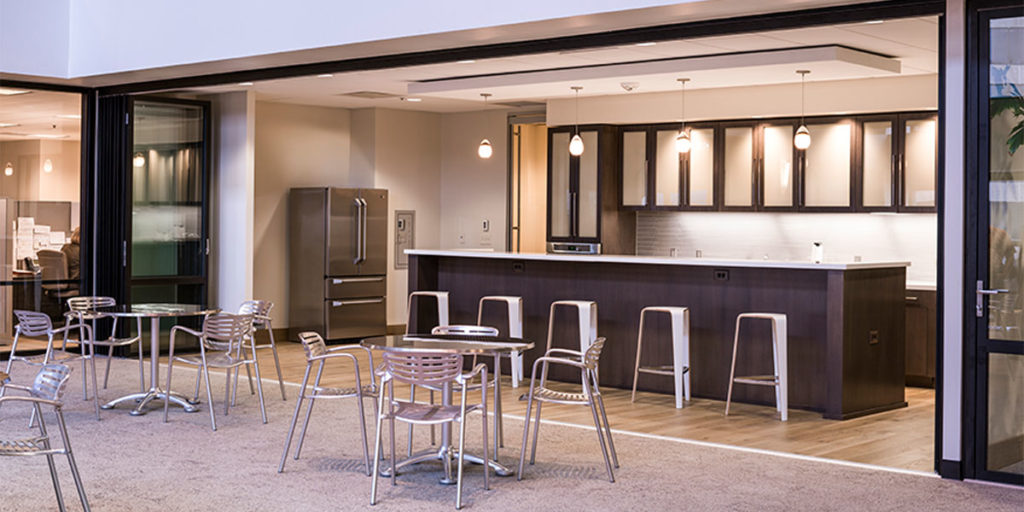
The program’s criteria were creation of a gathering space for Iberia Bank’s employees to enjoy lunch or breaks, and for hosting special after-hours events. VRA added a monumental stair of glass and steel for easy access from an upper floor to the heart of the space. Materials of weathered wood flooring integrated with turf and carpet systems reflect and connect to the outdoors. The new kitchen and conference room design correspond to the atrium finishes and design. Retractable Nana Wall glass wall systems that separate the kitchen and conference room from the atrium when closed can open to the atrium and adjacent spaces. 


The Investment Group

Houma, Louisiana

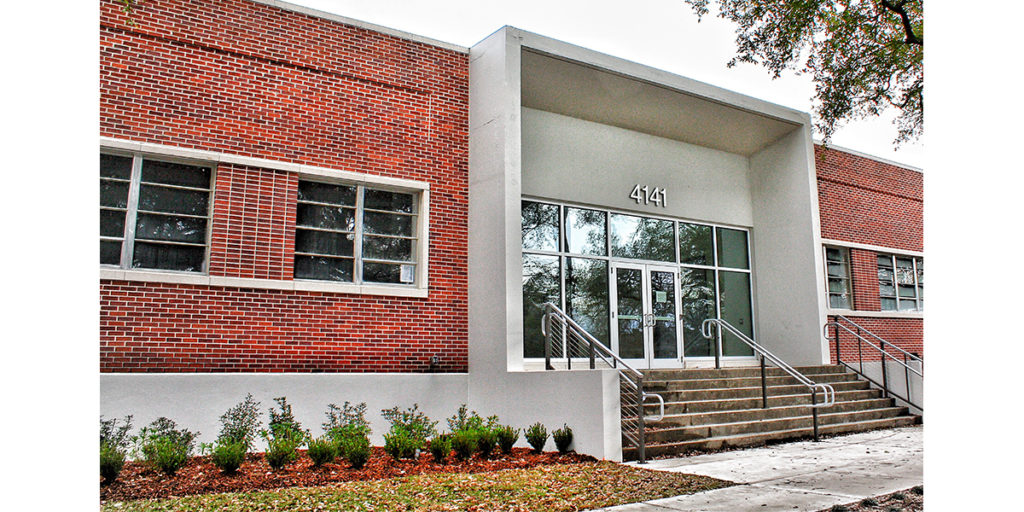
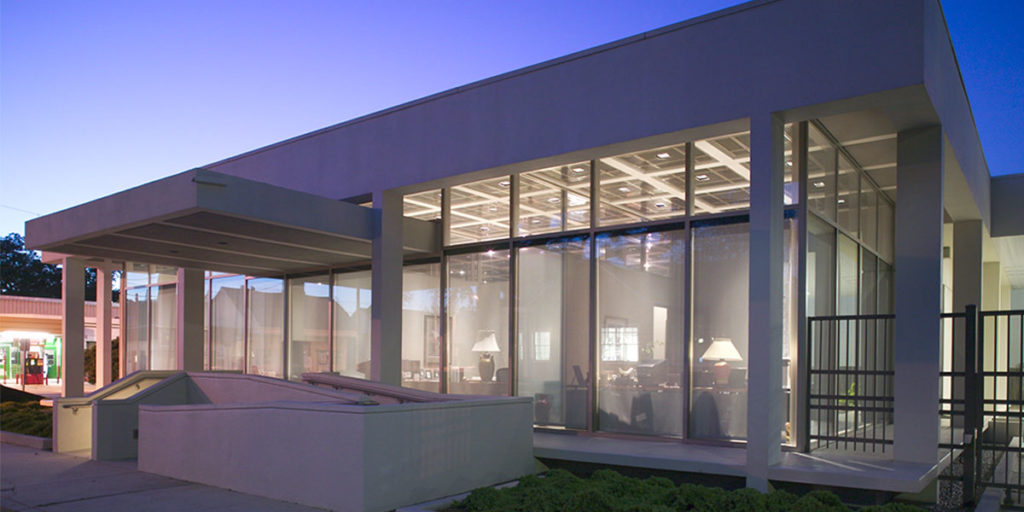
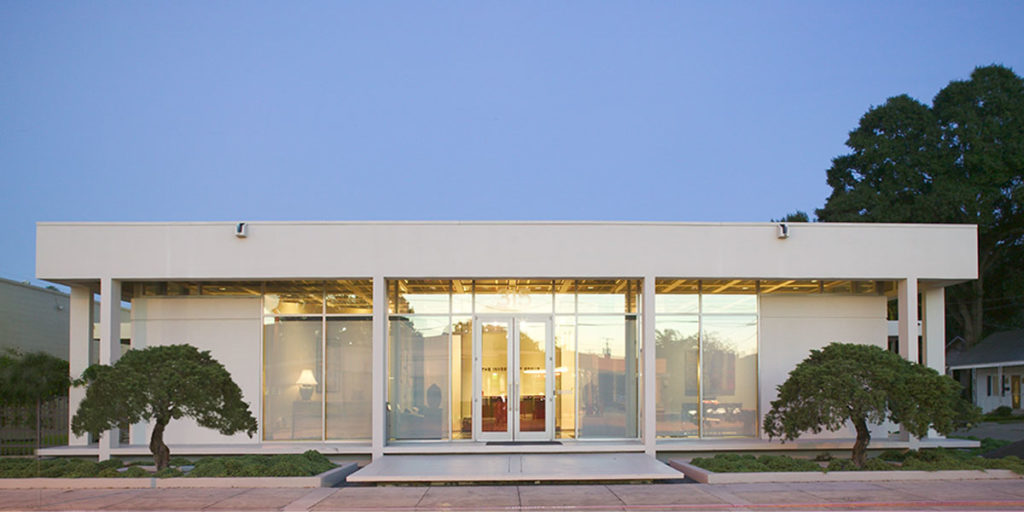
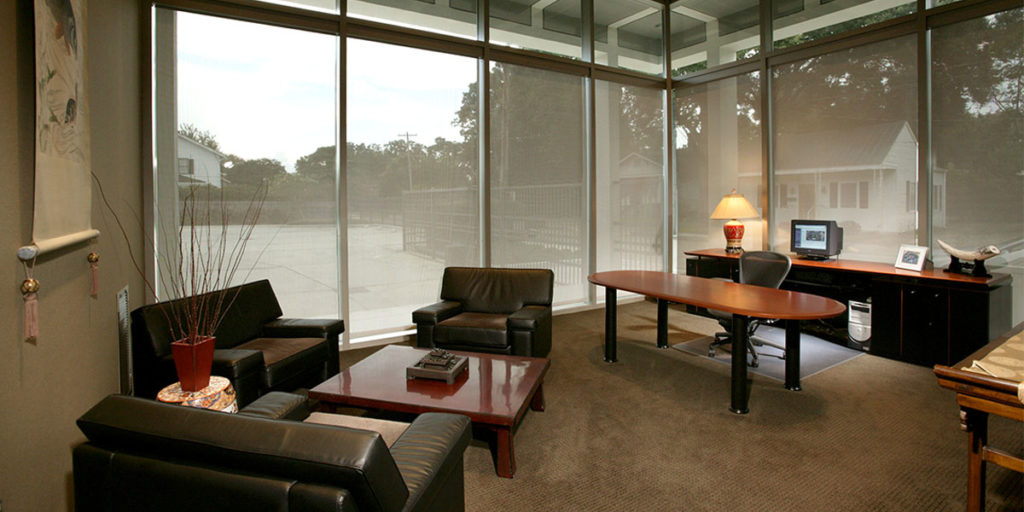
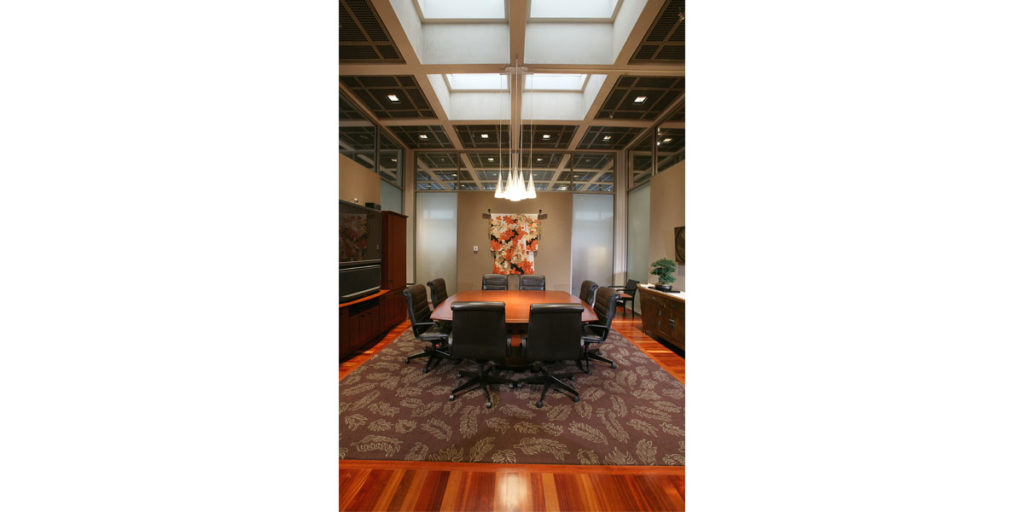
This 1968 Mid-Century Modern classic underwent complete renovation to restore its original character and accommodate new executive offices for a global financial firm. 

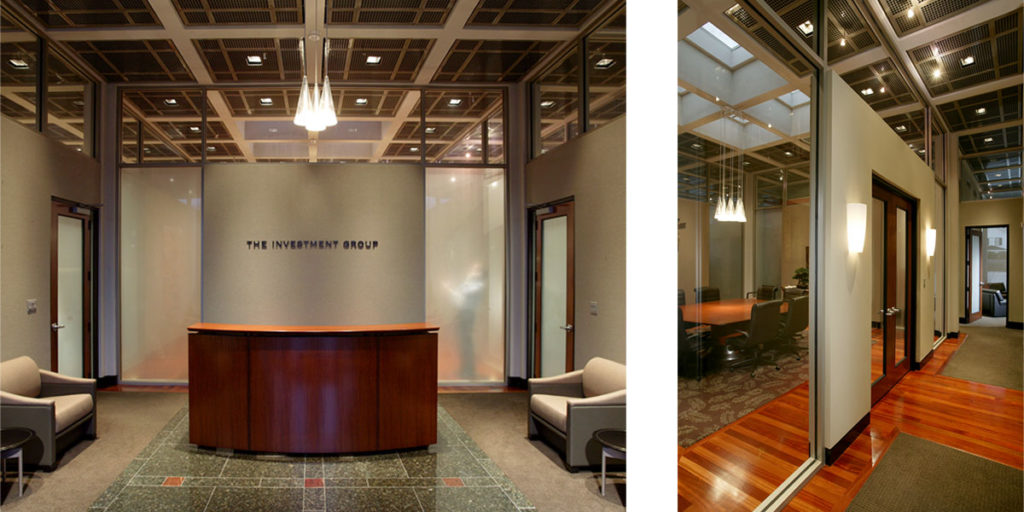
Returning to the original open plan that combines a concrete waffle ceiling slab, perimeter glass storefronts, skylights above a center court, and rear utility zone, the new design solves several compromises in the building’s image and function after three decades of use. Primary programmatic solutions such as repositioning the entrance to face the main street and locating the conference space at the center court to capitalize on the skylights help anchor the planning strategy. Demising office partitions that correlate with the waffle slab and create a 10-foot datum with solid panels extended with glass allow the ceiling to ‘float’ above. 

The renovation earned an Award of Merit from the American Institute of Architects Louisiana Chapter in 2005. The awards jury noted that the project is “simple and direct with a creative orientation in plan” that “carefully analyzed the existing structure and exploited all the elements found.”